English
 English
 Deutsch
 Español
 عربي
عربي हिंदी
हिंदी

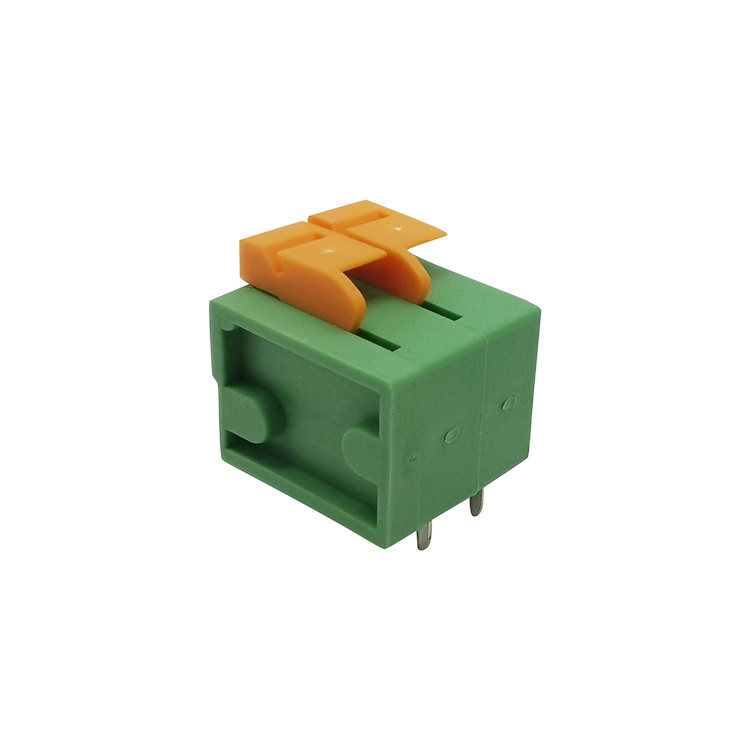
As electronic systems grow more sophisticated, managing dozens of wire-to-board and board-to-board connections can quickly turn into a messy logistics problem for cabinet integrators. MCS, short for Multi Connection System, delivers a standardized, highly flexible way to handle industrial wiring. This article explains how adopting an MCS architecture can reshape your product design workflow and reduce on-site wiring risks.
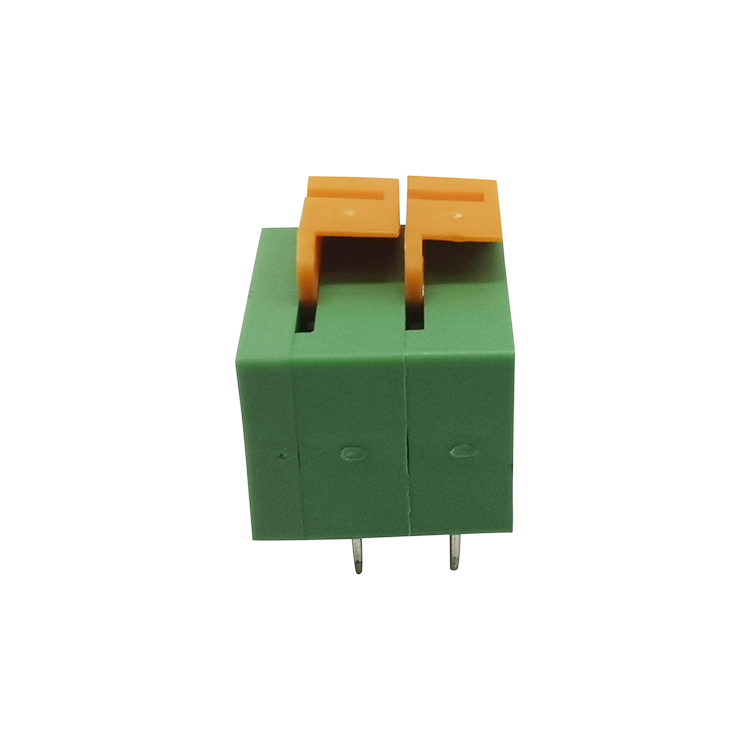
What Are MCS Terminal Blocks?
MCS stands for Multi Connection System. It is not a single standalone connector. Instead, it is a full family of interoperable connectors built under one unified framework. The system handles mixed power and signal circuits seamlessly.
MCS pluggable PCB terminals offer great flexibility. Using one consistent design platform, engineers can implement wire-to-board, wire-to-wire, and board-to-board connections across the whole equipment.
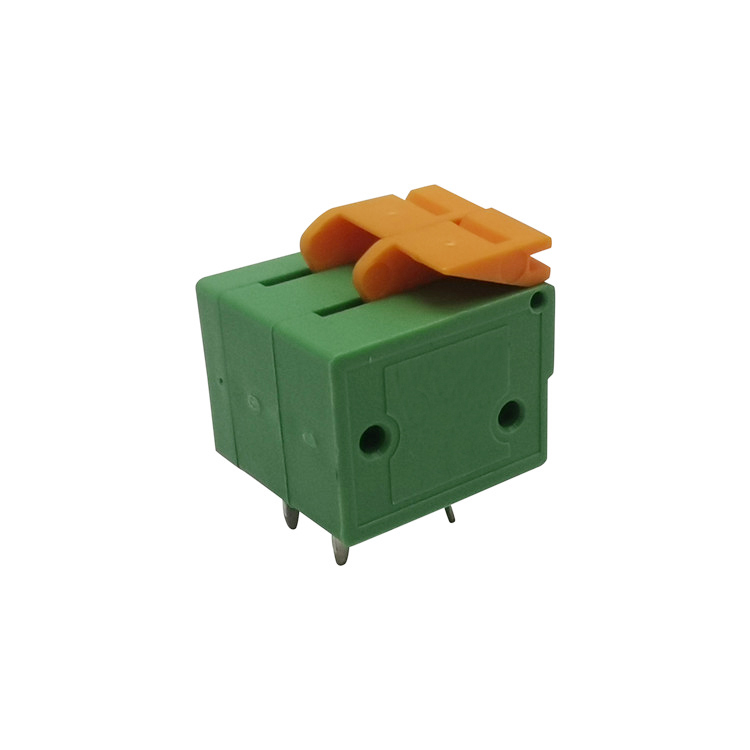
Core Advantages of MCS Architecture
1. Extreme Modularity
Standard MCS systems allow engineers to freely mix headers and mating plugs.
If you need to upgrade or modify one section of a machine, you only adjust that local module. There is no requirement to redesign the entire wiring harness. This cuts redesign cycles and saves lots of rework during prototype iterations.
2. High Density & Compact Footprint
PCB real estate inside control cabinets is always limited.
High-density MCS terminals use smaller pitch sizes while maintaining reliable electrical isolation. You can fit more signal lines and power circuits onto a smaller PCB without crosstalk or insulation risks.
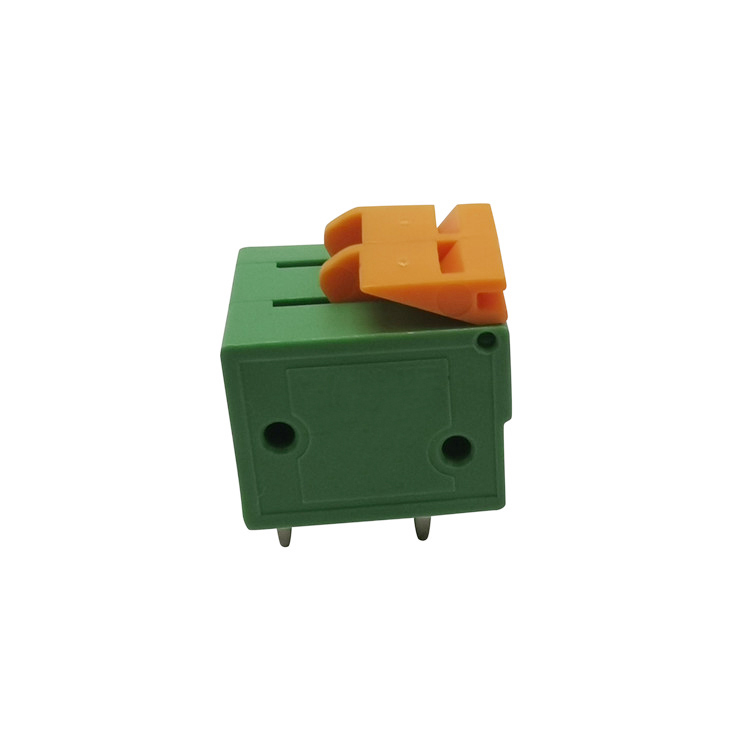
3. Built-In Coding to Prevent Mismating
In dense control panels, plugging a cable into the wrong port can cause equipment damage or system downtime during commissioning.
Most MCS units come with configurable coding pins. This mechanical interlock only lets technicians plug connectors into their matching headers. It eliminates human wiring errors that often show up during site startup.
MCS Terminal Blocks vs Regular Pluggable Terminal Blocks
| Feature | MCS Terminal Block System | Standard Separate Pluggable Terminal Pairs |
|---|---|---|
| System Scope | Full interoperable connector family with supporting accessories | Independent plug-header pairs with no unified ecosystem |
| Connection Types Supported | Wire-to-board, wire-to-wire, board-to-board | Mostly wire-to-board only |
| Anti-Mismate Feature | Custom mechanical coding pins available | Basic or no keying in most models |
| Modular Upgrade | Partial module modification without full harness redesign | Changes often require complete wiring rework |
| Scalability | Expand easily across multiple device variants | Hard to standardize across different product lines |
Key Applications for MCS Connectors
Thanks to its flexible design, MCS wire-to-board connectors are widely used in high-reliability industrial systems:
Rail Transit: Control systems that demand stable, error-proof and modular connections
Building Automation: Complex HVAC controllers and smart building central hubs
Medical Devices: Modular equipment requiring frequent module replacement for maintenance or upgrades
Industrial Automation: High-density I/O modules and PLC expansion units
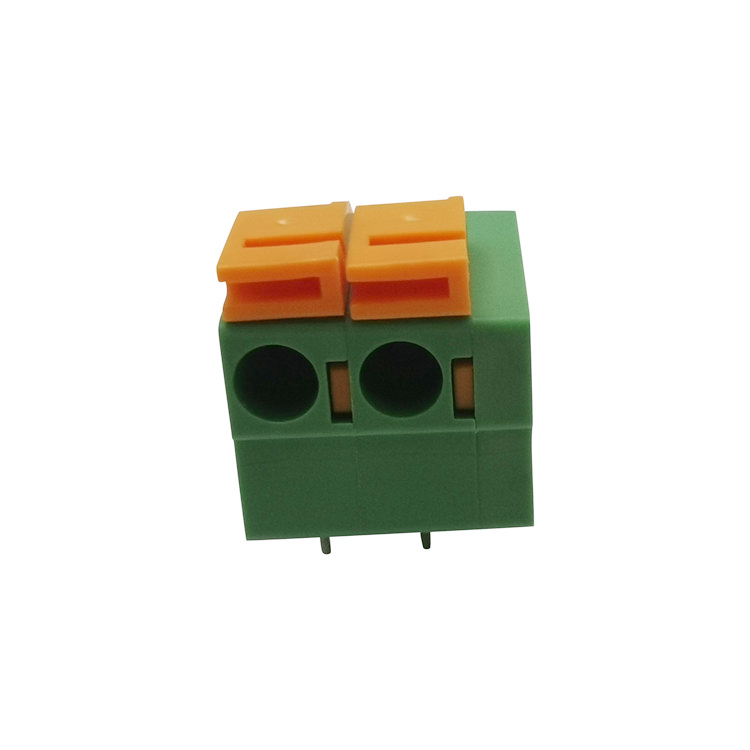
How to Select the Right MCS Solution
When you source MCS terminal blocks from manufacturers, verify these key specifications first:
1. Pitch Options: Common pitches include 3.5mm, 3.81mm, 5.0mm and 7.5mm. Match your selection based on working voltage and available PCB space.
2. Connection Technology: Modern MCS systems support both traditional screw clamping and fast push-in spring connections to fit different assembly workflows.
3. Locking Mechanism: For high-vibration environments, choose snap latches, screw flanges or lever locks to keep connections secure and prevent accidental disconnection.
FAQ for MCS Terminal Blocks
Q1: What is the difference between MCS terminal blocks and regular pluggable terminal blocks?
A: Ordinary pluggable terminals are just isolated plug and header pairs. MCS is a complete system. It includes matching accessories, multiple connection formats, and advanced anti-mismate features. All components work together consistently across your whole project.
Q2: Can MCS connectors carry both signal and power at the same time?
A: Yes. The Multi Connection System is engineered for mixed signal and power routing. By selecting the right pitch and contact material, you can safely run low-voltage data traces next to higher-power power lines on the same PCB.
Q3: Are MCS terminal blocks compatible with automated SMT assembly?
A: Absolutely. Many MCS pluggable PCB terminals come in tape-and-reel packaging. They use high-temperature resistant plastic, so they can go through standard SMT reflow soldering for high-volume automated production.
 Contact Us
Signup our newsletter to get update information, promotion and insight.



 IPv6 network supported